
1. Leesburg Airshow — September 26, 2026 Leesburg, VA The Leesburg Airshow is back at Leesburg Executive Airport from 11 AM–4 PM , and this is such a fun one for families. The free event includes aerial performances, aircraft displays, activities on the ground, and festival food. If you have little ones who are sensitive to noise, definitely bring ear protection because the planes can get LOUD! Perfect For: Families, aviation lovers, and anyone looking for a free local Saturday activity. 2. Mountain Heritage Arts & Crafts Festival: September 25–27, 2026 Kearneysville, WV If you love finding things you won't see in every store, add this one to your list. The Mountain Heritage Arts & Crafts Festival brings together artists and makers for a weekend celebrating handcrafted goods and Appalachian creativity. It's also a great place to start picking up unique gifts before we somehow blink and find ourselves in the middle of the holiday season. Perfect For: Handmade finds, local art, and getting a VERY early start on holiday shopping. 3. Waterford Fair: October 2–4, 2026 Waterford, VA This is one of those quintessential Loudoun County fall weekends. The historic village of Waterford comes alive with demonstrations, artisans, food, music, historic homes and plenty to explore. Even if you've been before, there's something about walking through Waterford in the fall that never gets old. Perfect For: History lovers, handmade goods, beautiful Loudoun scenery, and a classic fall day out. 4. Fall Food Festival: October 3, 2026 Downtown Martinsburg, WV Come hungry for this one! Historic Downtown Martinsburg's Fall Food Festival runs from 11 AM–6 PM and brings together food trucks, local restaurants, vendors, live music, a Kids Zone and a beer garden. It's a fun excuse to spend the day exploring downtown Martinsburg while sampling plenty of fall food along the way. Perfect For: Foodies, families, and anyone who believes eating your way through a festival counts as a fall activity. 😂 5. Dillon Farm Museum Fall Festival: October 10–11, 2026 Martinsburg, WV For a little old-fashioned fall fun, the Dillon Farm Museum hosts its annual Fall Festival from 10 AM–3 PM both days. You'll find live demonstrations including a working blacksmith shop, wood shop, sawmill, small engines and tractors. Even better— admission and parking are free. Perfect For: Families, history buffs, tractor-loving kids (and adults!), and anyone who enjoys seeing how things were done years ago. 6. Clifton Day Festival: October 11, 2026 Clifton, VA For one day each fall, the historic town of Clifton turns into one big festival filled with art, antiques, vendors, food, live entertainment and family activities. Half the fun is simply wandering through the town and taking everything in. Perfect For: A Sunday day trip, shopping local, food, and small-town fall charm. 7. Mountain State Apple Harvest Festival: October 15–18, 2026 Martinsburg, WV You can't really talk about fall in the Eastern Panhandle without including the Mountain State Apple Harvest Festival. The 47th annual festival takes place October 15–18, with a weekend packed with events celebrating the area's apple-growing heritage. Expect a makers market, apple pies, agricultural contests, live entertainment, food vendors, a rodeo, apple-eating and peeling contests, and plenty more throughout the weekend. Basically, if you like apples and fall, this one's for you. 🍎 Don't Miss: The apple pies. Obviously. 8. Loudoun Fall Farm Tour: October 17–18, 2026 Throughout Loudoun County, VA This is one of my favorite ways to experience Loudoun in the fall. More than 30 participating farms open their doors for the weekend, giving you a chance to meet local farmers, see animals, learn about agriculture, and shop for locally grown and produced foods. Depending on your stops, you might find cows, pigs, sheep, goats, alpacas, llamas, donkeys, horses, local honey, meats, cheeses, vegetables, fruit and—most importantly—ice cream. Perfect For: Families, animal lovers, local food, and seeing a completely different side of Loudoun County. 9. Jefferson County Fall Festival: October 24, 2026 Sam Michaels Park | Shenandoah Junction, WV Jefferson County Parks & Recreation is hosting a full day of fall fun at Sam Michaels Park from 11 AM–6 PM . The festival includes music and performances at the AMP, vendors, a beer garden, kids' activities, food and more. There's even a Halloween Candy Drop for the kids, plus costumes and plenty of seasonal activities. Perfect For: Families looking for one more big fall outing before Halloween. 10. The Great Pumpkin Ride: October 24, 2026 Warrenton, VA Want to actually work for all those fall treats? 😂 The Great Pumpkin Ride takes cyclists through the beautiful countryside surrounding Warrenton and Fauquier County during peak fall season. It's become a favorite annual event for cyclists and is a completely different way to take in Virginia's fall scenery. Registration is required and the ride is limited to 1,300 participants, so this is one you'll want to plan ahead for. Perfect For: Cyclists and anyone who would rather experience fall foliage on two wheels. Get Out & Enjoy Fall! This is one of those seasons that always seems to go WAY too quickly. One minute we're waiting for the first cool morning, and the next we're putting up holiday decorations. So pick a festival, grab a coffee, throw on a sweatshirt, and get out there while the leaves are changing! One of the things I love most about living and working in Northern Virginia and the Eastern Panhandle is that we have all of this practically in our backyard: historic small towns, farms, mountains, festivals, wineries, local businesses and so many places that make this area feel like home. Now the hard part is deciding which ones to fit into the calendar!
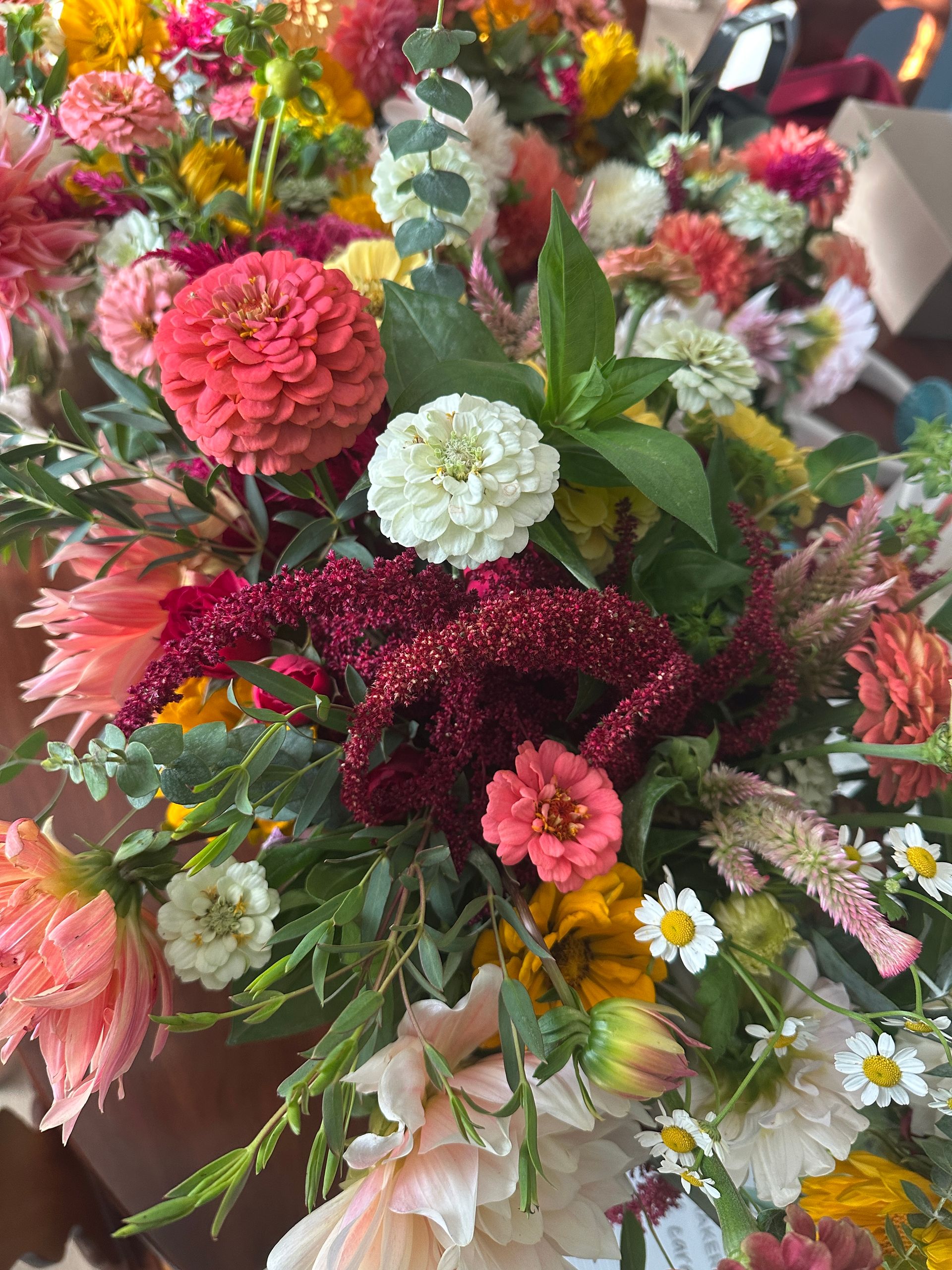
Making Home Feel a Little Cozier This Fall 🍂
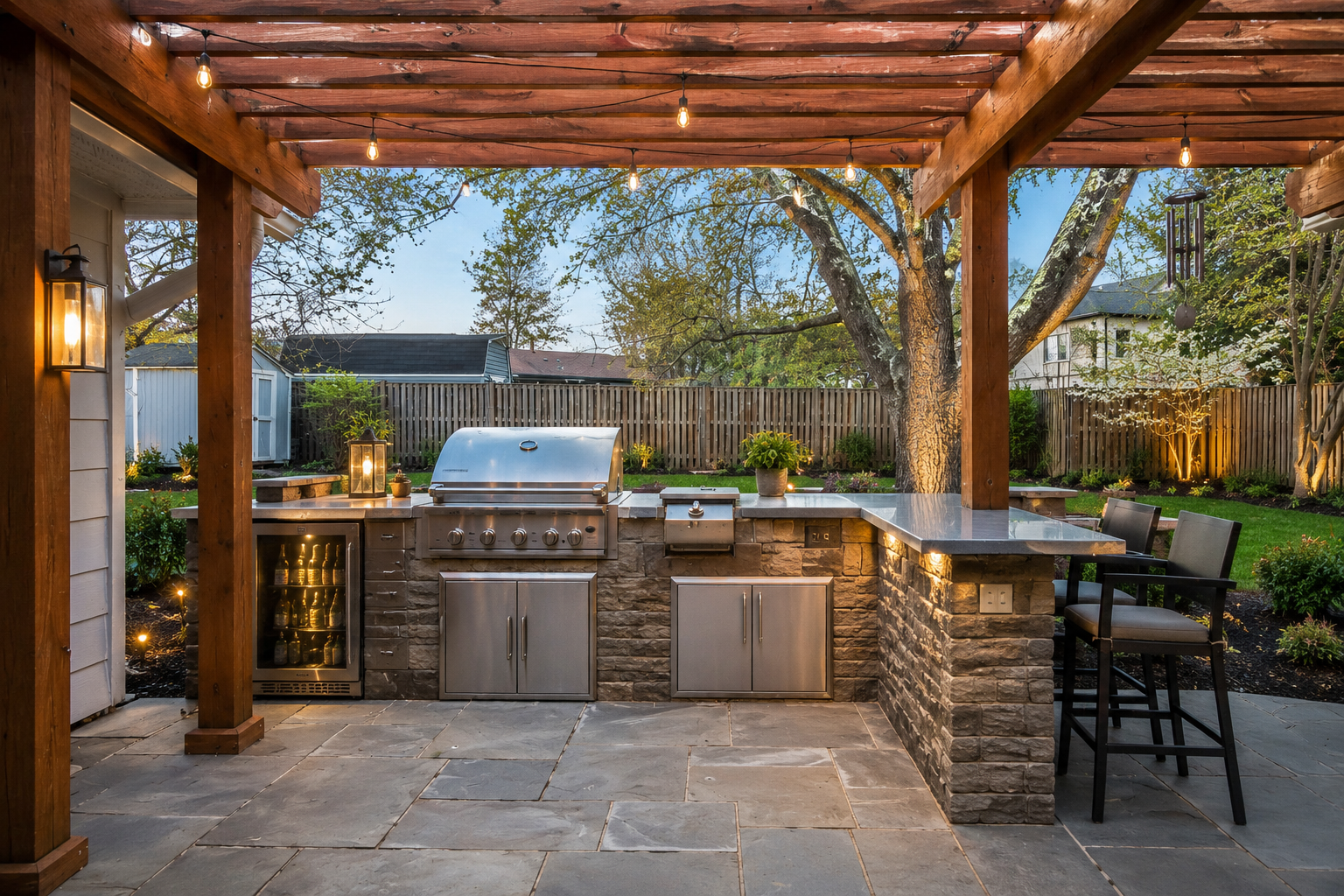
Outdoor kitchens have become one of the biggest backyard upgrades over the past few years. What used to be a simple grill on the patio has turned into full outdoor living spaces with built-in grills, pizza ovens, refrigerators, bars, fireplaces, lounge seating… honestly some of them are nicer than indoor kitchens at this point. But with some outdoor kitchen setups costing as much as a full interior renovation, a lot of homeowners are wondering: Is it actually worth the investment? Or is this one of those trends everyone will move on from in a few years? Honestly? I think the answer depends on how you live, where you live, and whether you’ll truly use the space. Why Outdoor Kitchens Became So Popular I think a huge shift happened during the pandemic when people started investing more into their homes and outdoor spaces. Suddenly backyards became gathering spots, offices, play spaces, vacation spots, and entertainment areas all at once.
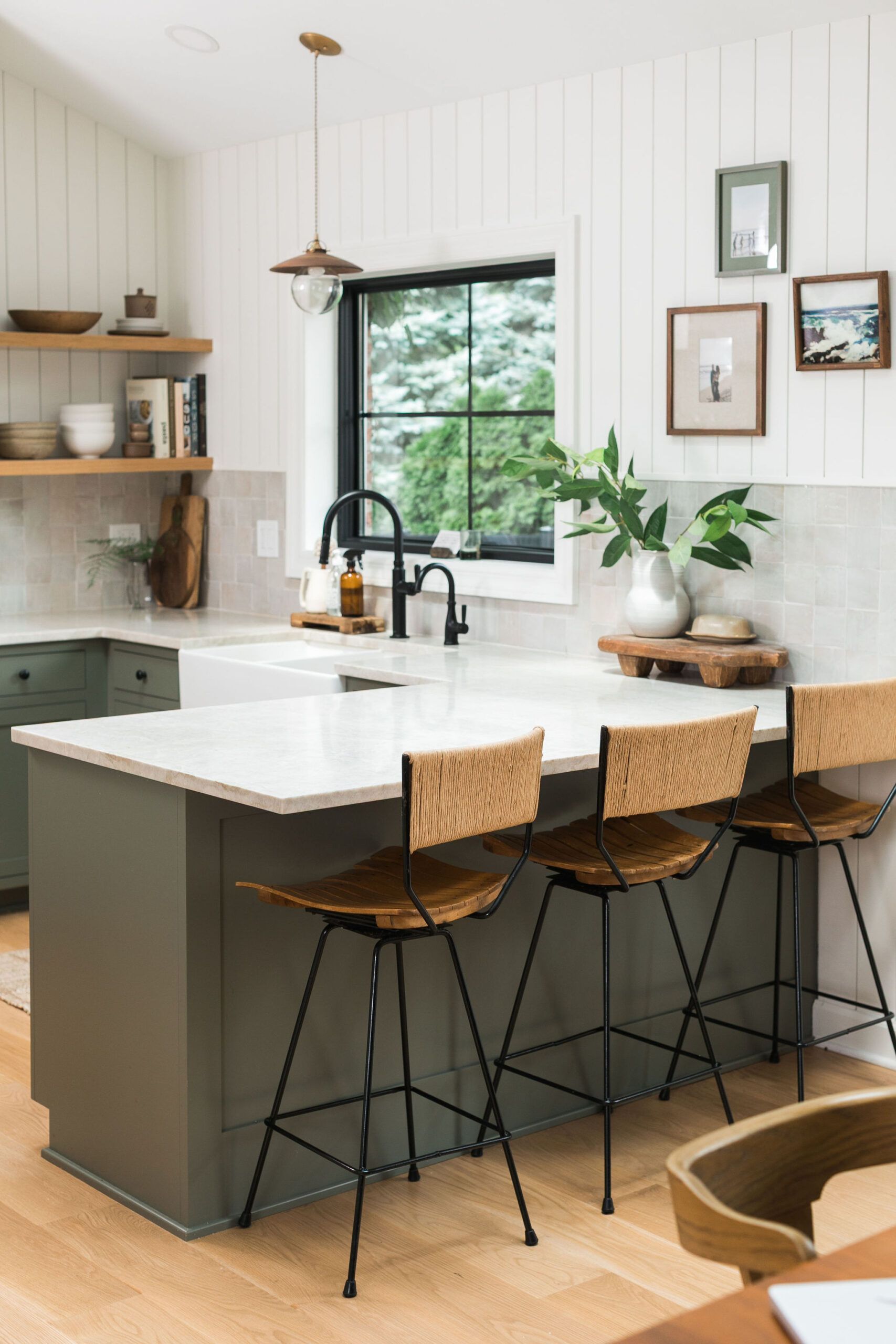
If you’ve been feeling like homes lately are starting to feel a little warmer, cozier, and more personal… you are absolutely not imagining it. The super stark white and overly minimal look is slowly fading, and honestly? I’m kind of loving the shift. Homes are starting to feel lived in again in the best possible way. Less “perfect showroom” and more layered, welcoming, personality-filled spaces that actually make you want to stay awhile. Here are some of the biggest interior design trends I’m seeing heading into Summer 2026:
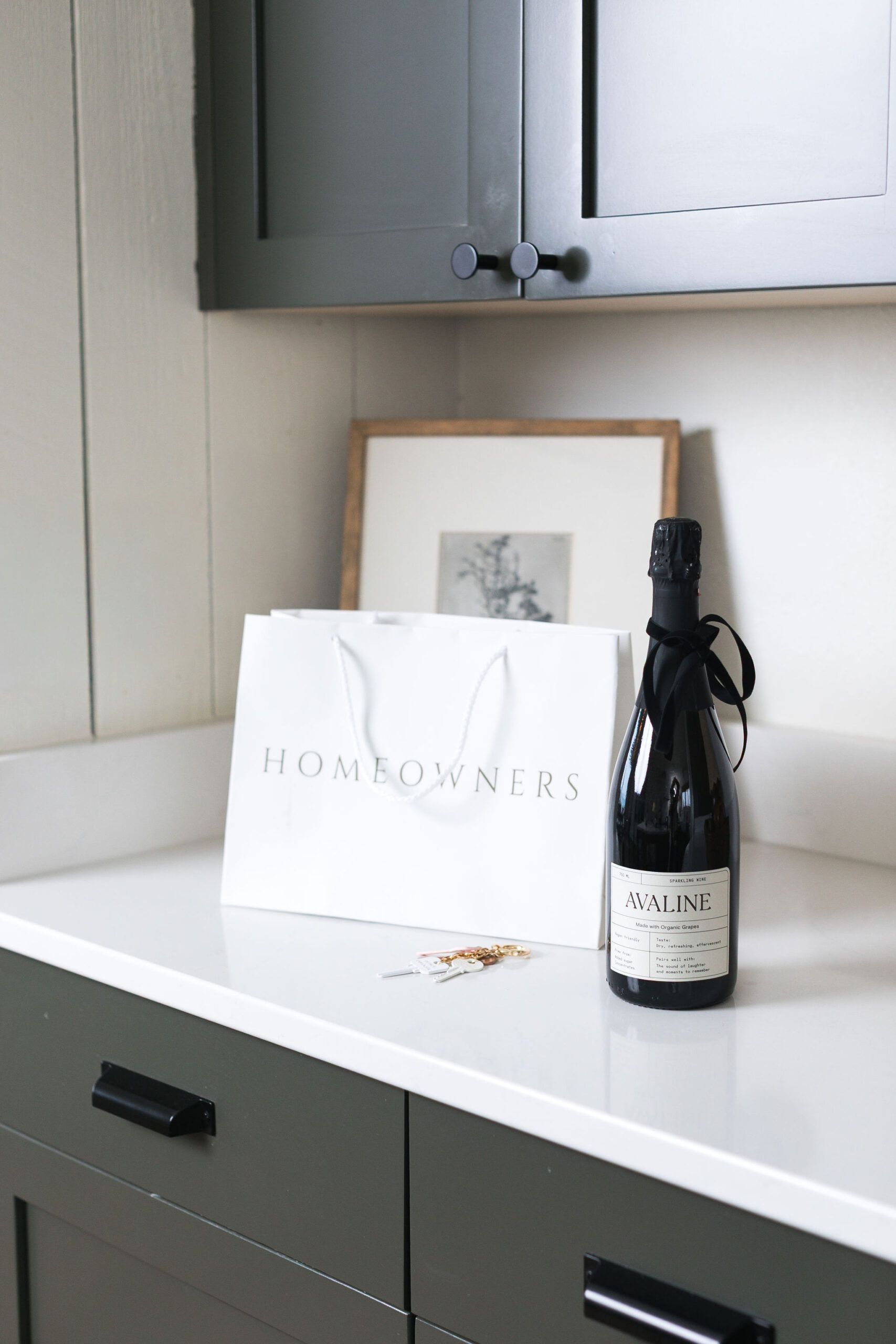
Spring market is here… and if you’ve been even thinking about buying a home, you’ve probably felt it. 🌸 More homes are hitting the market, everything feels a little more alive, and buyers start coming out of the woodwork. It’s an exciting time, but it can also move fast. Like… “that house just listed and already has multiple offers” fast. The good news? A little prep on the front end (especially with financing) can make the entire process feel so much more manageable. Start with financing before you fall in love with a house I know...it’s way more fun to scroll listings and pop into open houses. But one of the best things you can do is connect with a lender before you start seriously touring. This helps you: Understand what price range actually feels comfortable Get a realistic idea of your monthly payment (not just the purchase price) See what loan options make the most sense for you It doesn’t lock you into anything, it just gives you clarity. And in a fast-moving market, clarity = confidence.
Spring is Here! Kid-Friendly Events Happening Around Loudoun & Beyond The weather is finally warming up, the baseball fields are filling back up, and the calendar is suddenly packed with all the fun spring activities . If you’re anything like our family, once the sun comes out everyone just wants to be outside again. Spring in our area is an amazing time of year because there are so many family-friendly events popping up! From festivals and races to outdoor markets, live music, and hands-on activities for kids. If you’re looking for something fun to do with the kids over the next month, here are a few events happening across Loudoun County, Fairfax County, Clarke County, and Jefferson County that are worth checking out.